

Ketamine Therapy
Ketamine Therapy for Depression at AwakeningsKC
Ketamine therapy helps patients with major depressive disorder (MDD) and other mental health disorders. When administered in a safe, clinical setting at AwakeningsKC, ketamine stimulates nerve growth in the brain, allowing you to reflect internally in a tranquil, relaxing environment.
The best part? Ketamine has been proven to have antidepressant effects. Studies have shown that when used to treat depression, ketamine has a success rate of just over 80 percent.
AwakeningsKC offers ketamine in two forms: SPRAVATO® (esketamine) and intranasal ketamine.
Clinical Results
80%
Ketamine Therapy: No Needles Involved
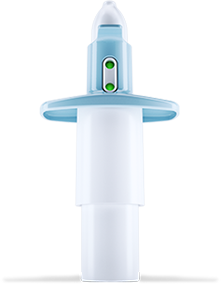
Worried about shots? At AwakeningsKC, we use ketamine delivered via nasal spray. Painless and non-invasive, there are no needles required. Our clinic provides ketamine sprays in two forms:
SPRAVATO
SPRAVATO (esketamine) is FDA-approved to treat major depressive disorder (MDD). Available in two precise doses, SPRAVATO is covered by most insurance.
Intranasal Ketamine
If your insurance doesn’t cover ketamine therapy, intranasal ketamine is your ideal choice. Featuring customized dosages, intranasal is an affordable version of ketamine therapy.
What is the Difference Between SPRAVATO® and Intranasal Ketamine?
While both SPRAVATO and intranasal ketamine are forms of ketamine, there are some subtle differences between the two.
SPRAVATO: SPRAVATO only contains one of the two molecules found in ketamine. However, this molecule binds more strongly to receptors in our brains involved in learning and memory. SPRAVATO is FDA-approved for treatment-resistant depression and major depressive disorder with suicidal ideation.
Intranasal Ketamine: This form of ketamine contains both molecules found in ketamine. It’s not currently FDA-approved for treating any psychiatric conditions. However, it is far more affordable than SPRAVATO if you don’t have insurance, and it has far wider dosing options than SPRAVATO does.

Other Conditions Ketamine Therapy Can Treat
At AwakeningsKC, we chiefly use ketamine therapy to treat depression. However, research has shown that ketamine therapy can treat other conditions as well, including:
- Anxiety
- Bipolar disorder
- Post-traumatic stress disorder (PTSD)
- Chronic pain resulting from fibromyalgia, rheumatic arthritis, migraine, and neuropathy
Side Effects of Other Medications
If antidepressant medications are causing you to feel side effects, ketamine can be an effective alternative to SSRIs and more. Antidepressant side effects include:
- Headaches
- Insomnia
- Sexual dysfunction
- Nausea
- Sweating
- Weight gain
And more. While ketamine can have side effects of its own, they’re usually mild as ketamine therapy uses very small dosages. Also, side effects from ketamine therapy generally go away four to 24 hours after each dose. It’s why we generally prohibit our patients from driving on the same day as their treatment.

Ketamine Therapy Can Be Your Way Out of Depression
Ketamine is the latest breakthrough in psychiatry in 50 years in treating depression. Unlike other antidepressants, ketamine has the potential to safely reduce the symptoms of depression and suicidality within hours of a single low dose.
Because of its rapidness and effectiveness, ketamine can improve symptoms even in patients with treatment-resistant depression and other mental health conditions.
You don’t need to struggle alone; reach out to AwakeningsKC today to learn more about our ketamine therapy program and how it can help you.
Frequently Asked Questions
- What is ketamine?
- How does ketamine work?
- How is ketamine administered?
- What are the benefits of intranasal ketamine compared to other treatments?
Ketamine is a medication that has been used since 1970 as an anesthetic and is a rapid-acting, extremely effective intervention to address treatment-resistant depression and suicidal ideation.
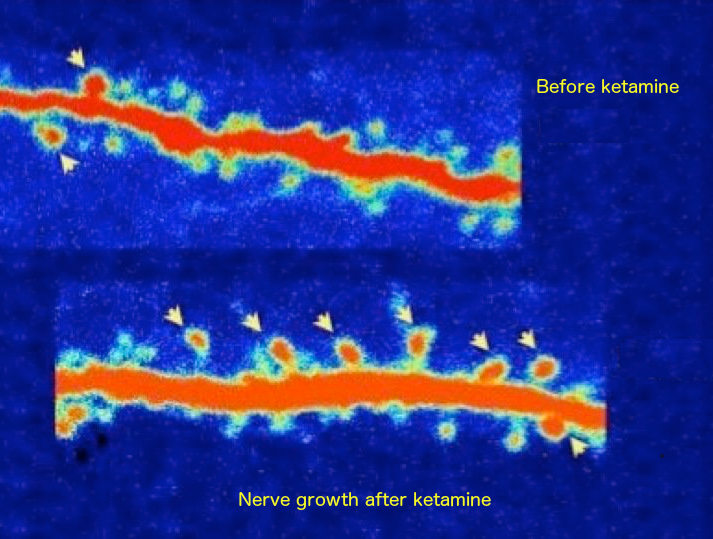
Ketamine works by modulating the glutamate system in the brain. It increases synaptic plasticity and connectivity, which are believed to play a key role in its rapid antidepressant effects.
At AwakeningsKC, we administer ketamine intranasally through a nasal spray device. The treatment is administered at our office under the supervision of a medical professional. The dosage and frequency vary based on patient needs and response to treatment.
When ketamine is administered intranasally, it can provide rapid relief within hours, unlike traditional medications, which can take weeks. Intranasal administration is also considered more convenient since patients do not have to receive an IV.
- What is the treatment schedule?
- How many treatments will I need?
- Is ketamine therapy covered by insurance?
- How much does it cost?
- How long does each appointment last?
- What are the most common side effects?
- Are there any reasons I cannot have ketamine or SPRAVATO?
- How do I get the medication?
- What do I need to do before my treatment?
Ketamine – Treatments are offered on Mondays, Wednesdays, and Fridays at 10 AM, 12 PM, and 2 PM. Patients will do treatments 1-2x per week; the frequency will be determined by your treatment team.
SPRAVATO® – Treatments are offered Monday – Friday. Mondays are 12 PM and 2 PM only, and Fridays are 10 AM and 2 PM only. Treatments are offered at 10 AM, 12 PM and 2 PM Tuesday and Thursday.
The typical schedule is 8 weeks of treatment. Weeks 1-4, patient complete two treatments per week. Weeks 5-8, patients complete one treatment per week.
Ketamine – Depending on your dosage, patients will complete 6-8 treatments. Once complete, you will meet with your provider to evaluate your progress and discuss the next steps.
SPRAVATO – Patients typically complete 12 treatments over the course of eight weeks. Once complete, you will meet with your provider to evaluate your progress and discuss the next steps.
Ketamine – Not FDA-approved for mental health and is considered an “off-label” treatment.
SPRAVATO – Covered by most insurances for treatment resistant depression (TRD) and major depressive disorder with suicidal ideation.
Ketamine – We believe in making ketamine therapy available to anyone who needs it. Our admissions team will gladly discuss any and all payment options you have.
SPRAVATO – It’s subject to insurance benefits and varies depending on the plan. Patients are typically responsible for their deductible, coinsurance or copay.
Ketamine and SPRAVATO – Patients are required to be at the office for a total of 2 hours from administration. During this time, our team will monitor your blood pressure and response to the medication.
Ketamine and SPRAVATO – Both are generally well-tolerated. Common side effects include nausea, dizziness, dissociation and increased blood pressure.
Patients with the following may not be able to receive ketamine: uncontrolled blood pressure, active mania, active psychosis, schizophrenia, significant cardiac history, clinically significant substance abuse, current pregnancy, recent ocular surgery, intracranial pathology, and history of aneurysm, epilepsy or stroke.
Ketamine – The medication is sent to a local pharmacy, and the patient is responsible for picking it up or coordinating shipment to their home. The patient is responsible for bringing the medication to the clinic, where it will be stored for the duration of the treatment. The medication seal must be intact/untampered with for the patient to receive treatment.
SPRAVATO – Our clinic coordinates the ordering and shipment of SPRAVATO directly to our office.
- Fasting Protocol: Patients should not eat solid food for 4 hours prior to your scheduled appointment. Patients may have clear liquids such as water, clear broth, apple juice, tea, or black decaf coffee up to 2 hours before their appointment.
- Transportation: Due to the dissociative nature of esketamine/ketamine, patients are prohibited from driving, operating machinery, or doing anything which requires them to be fully alert following the esketamine/ketamine treatment. Patients should not participate in these activities until after a full night’s rest. All esketamine/ketamine patients are required to have a driver, so patients should arrange transportation before their treatment.
- Medication: Very few medications have interactions with esketamine/ketamine. Some medications may need to be held prior to your ketamine treatment and resumed after. These may include benzodiazepines (i.e., Xanax, Ativan, Klonopin), stimulants (Adderall, Vyvanse, Ritalin), and lamotrigine (Lamictal). All patients should consult with their doctor before starting esketamine/ketamine to see if they need to alter their medication regimen on the day of the treatment.
A Short History of Ketamine
Ketamine was first synthesized in 1962 by Calvin Stevens, an American scientist. The history of ketamine, for medical purposes, began as a replacement anesthetic for phencyclidine (PCP), which was needed because of its severe side effects.
In 1963, ketamine was patented in Belgium. Ketamine was first tested on humans in 1964, and it was noted that ketamine produced only minor hallucinogenic side effects by Dr. Edward Domino, a pioneering researcher at the University of Michigan.
Dr. Domino’s wife, Toni, later invented the phrase “dissociative anesthetic” for ketamine. The first report of human and animal use was in 1966.
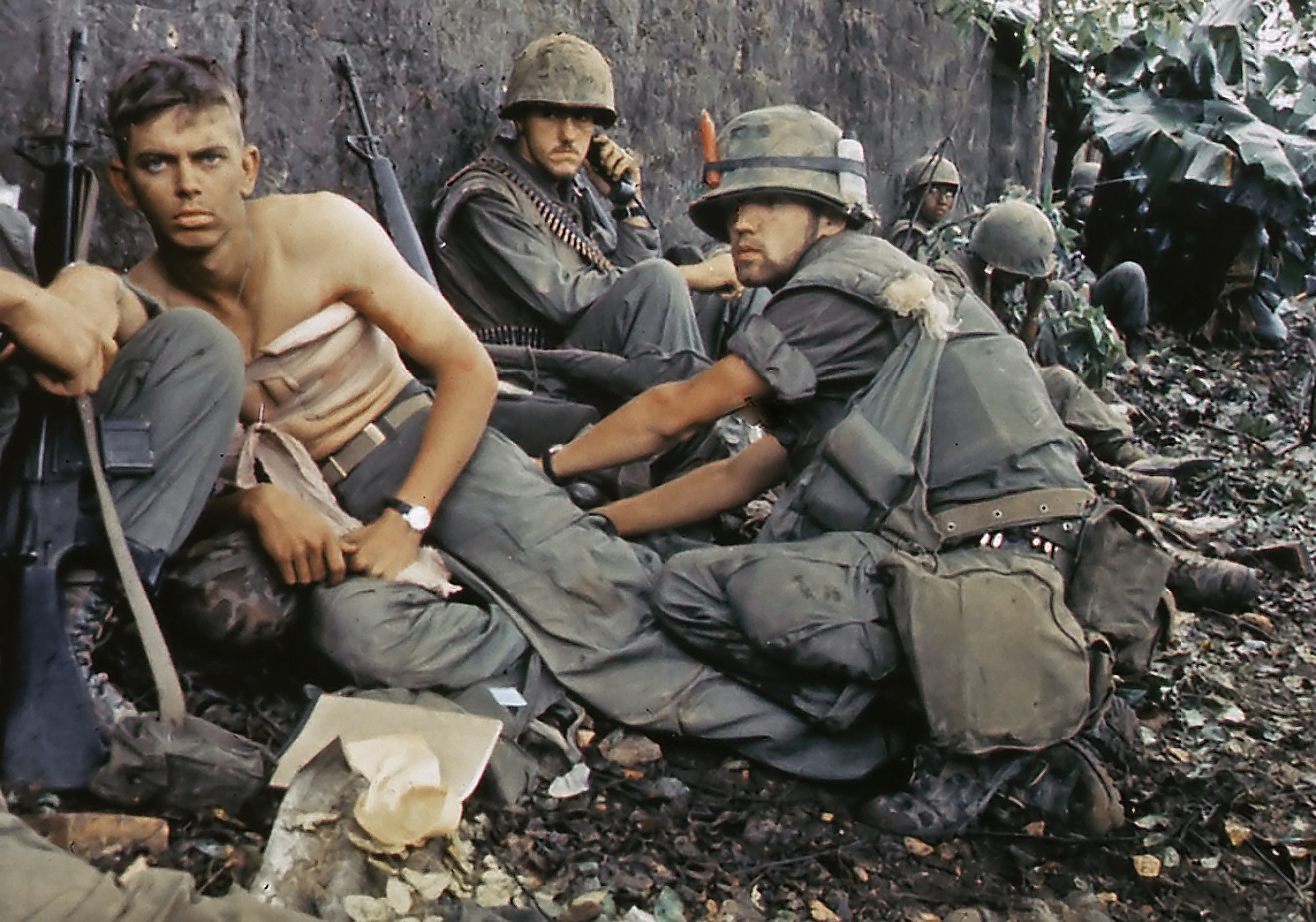
The US Food and Drug Administration (FDA) approved ketamine for human use in 1970. It was mainly used on the battlefield when administered to soldiers during the Vietnam War who required surgical interventions or immediate pain control.
In the next three decades, ketamine was used as an anesthetic agent in operating rooms, emergency departments, or intensive care units.
Later in the 1990s, research on ketamine began to explore its potential as an antidepressant.
