


May 24, 2016 0
NeuroStar transcranial magnetic stimulation showed efficacy as mono-therapy for treatment of postpartum-onset major depressive disorder in women, according to data presented at the American Psychiatric Association Annual Meeting.
Blog
NeuroStar transcranial magnetic stimulation showed efficacy as mono-therapy for treatment of postpartum-onset major depressive disorder in women, according to data presented at the American Psychiatric Association Annual Meeting.
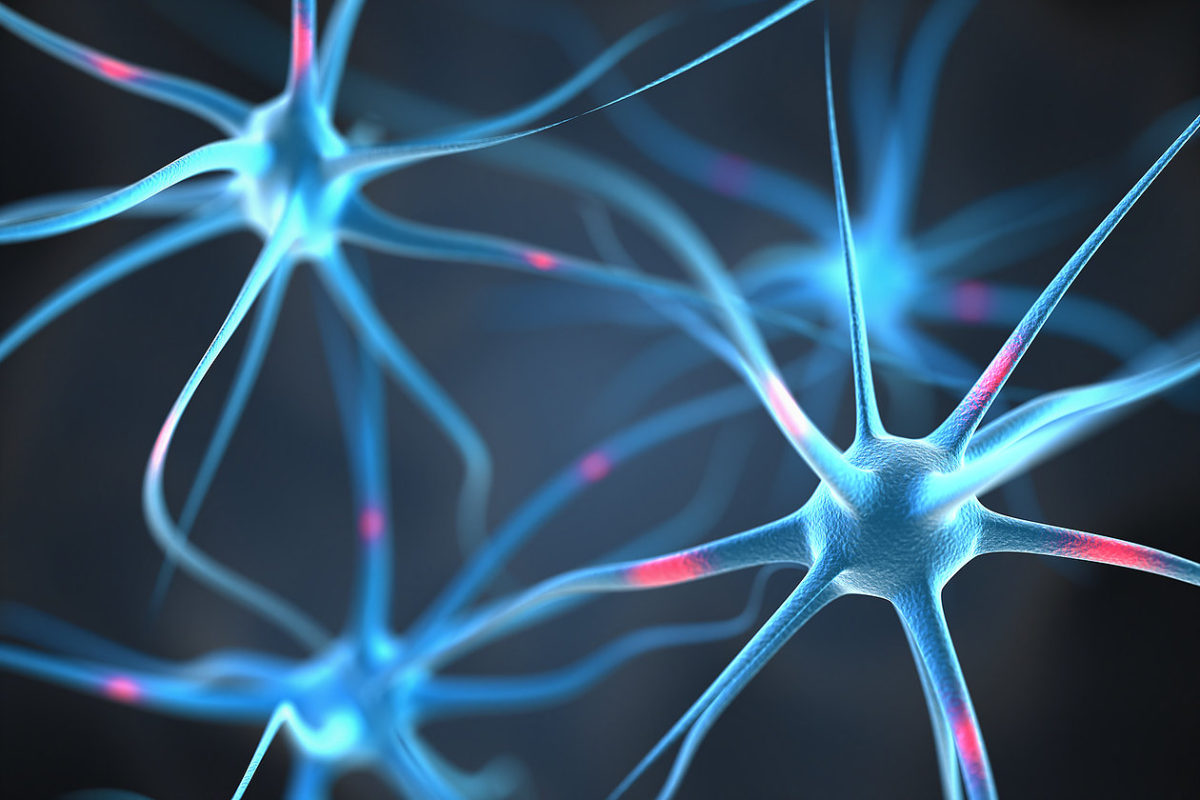
An astounding 5-6% of people who began using cocaine 24 hours ago will become long-term users, according to a paper in the journal Neuropsychopharmacology. Addiction varies with each person’s individual brain chemistry, but the presence of dopamine in the brain is a highly rewarding feeling that most people will work to replicate.

Brain stimulation has been in use for decades as a potential treatment for psychiatric disorders. However, its use in addiction is relatively new. Promising clinical and preclinical data suggest it could have some positive effects, although to be effective the type of stimulation and the brain areas to be targeted have to be more deeply explored.

The naysayers told John Elder Robison, “You must be nuts! I would never do that, that’s crazy.”
That was the reaction, among some, to his participation in experimental brain therapy called TMS or transcranial magnetic stimulation. But after decades of feeling like a social misfit — misreading or missing other people’s emotions due to Asperger’s syndrome, diagnosed at age 40 — he was suddenly able to sense others’ feelings.

Repetitive transcranial magnetic stimulation (rTMS) is known to be a safe, noninvasive, treatment for major depressive disorder (MDD), but how does cost compare with that of pharmacotherapy?.
Dr. Davila and Awakenings KC continue to stay as up to date as possible in mental health care. We recently subscribed to the journal Brain Stimulation. Editor- in- Chief, Dr, Mark George, the one of the pioneers of clinical use of transcranial magnetic stimulation who Dr. Davila trained with in the Medical University of South Carolina Charleston is a leader in the field. Dr. Davila looks to his research and information to stay up to date on all things brain stimulation. We will continue to strive to provide the best care possible!

A recent interview from NPR shows how one man’s life changed for better and worse after undergoing TMS for Autism. It brings to light how TMS saves lives and isn’t only for people suffering depression.
Unlike some, Mark George didn’t believe that electroconvulsive therapy for severe depression amounted to torture, but he did think the seizures at the heart of the treatment were unnecessary. When he said so at a national psychiatric conference in 1994, his colleagues kicked him to the curb to join the anti-ECT protesters. Justice was served last fall, when the Food and Drug Administration approved George’s far gentler alternative—transcranial magnetic stimulation. In an international trial, depressed patients who hadn’t been helped by drugs improved markedly after four weeks of daily, 40-minute TMS sessions. Two more weeks doubled the rate of relief.
FOR IMMEDIATE RELEASE
3/29/16
Contact: Bob Davis, BDavis@asam.org, 301-547-4112
ASAM Applauds Important Step by Obama Administration and Calls for Increased Congressional Pressure to Expand Treatment Access
FOR IMMEDIATE RELEASE
Chevy Chase, MD, March 29, 2016 – Today, President Obama announced additional public and private sector actions to help address the devastating prescription opioid and heroin epidemic. The President announced that The Department of Health and Human Services (HHS) issued a new proposed ruleto increase the current patient limit for qualified physicians who prescribe buprenorphine to treat opioid addiction. The proposed rule will increase the patient limit from 100 to 200 patients for physicians who have been trained and waivered for over a year to prescribe buprenorphine. Furthermore, the proposed rule recommends adherence to nationally recognized evidence-based guidelines and includes ASAM’s National Practice Guideline for the Use of Medications in the Treatment of Addiction Involving Opioid Use.

We are looking to expand our team with PRN clinical staff who hold a LCPC license. If you are interested in joining an expanding practice and getting to enjoy rewarding work, we can’t wait to hear from you. Please send your CV and cover letter to staff@awakeningskc.com. We will be in contact for interviews as early as this week.
